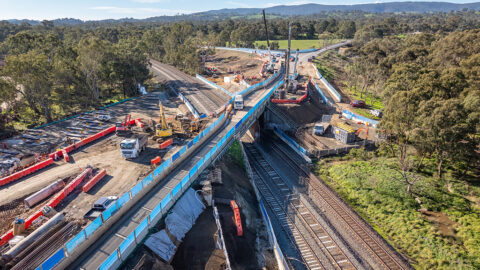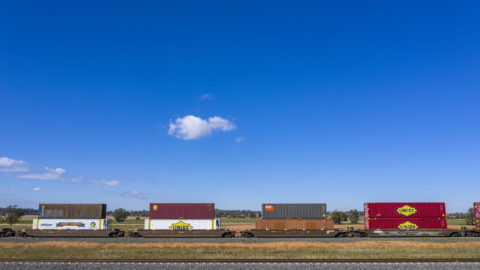
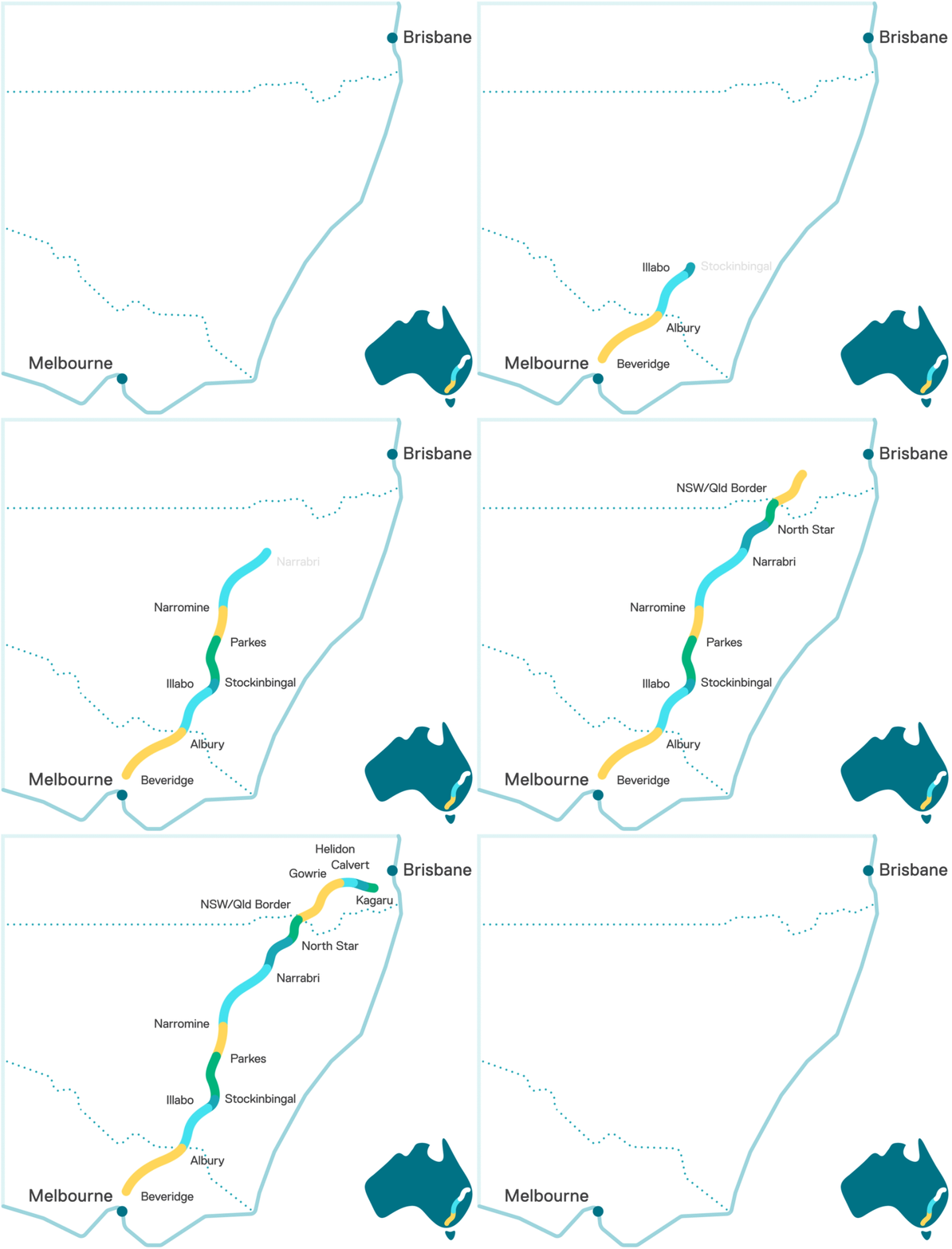
Inland Rail is a 1,600km fast freight railway that will link Melbourne to Brisbane through inland Australia. More than 1,000km of the line will be located within the existing rail corridor. To build the remainder of the railway, we need to identify an optimal alignment through new areas of land where we plan to build new track.
Why does Inland Rail need to negotiate temporary land access?
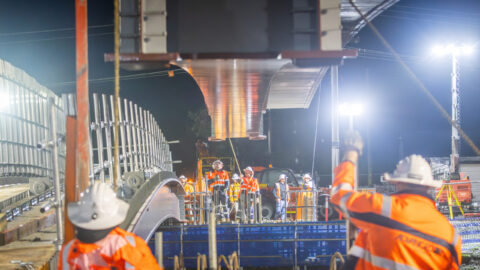
As we move through the planning and approval phases of the project, we need to gather data and information along the entire alignment. We do this by conducting field investigations and technical studies. In some parts of the alignment, this means that we work with landowners and communities to organise temporary access to property along the alignment.
When these studies involve private land, a Land Access Agreement is established. This agreement outlines mutually agreed terms and conditions for accessing the land.
Information gathered from field investigations and technical studies is used to refine our designs for Inland Rail. We use these designs during landowner consultation when discussing how we propose to manage impacts from the construction and operation of Inland Rail.
What types of field studies are conducted?
Specialist contractors conduct field investigations and technical studies on behalf of Inland Rail to help us refine our designs. The type of study may vary, depending on the information that is needed and the terrain. Examples of these types of investigations include:
Noise, vibration and air quality surveys
Measure background noise and vibration, and air quality levels at key sites.
Land surveys
Identify easements and install survey pegs, if required.
Utility identification surveys
Identify infrastructure, such as gas and water pipelines.
Detailed information about any investigations we may need to conduct on your property, including anticipated work duration, hours of work, types of equipment and vehicles to be used, is discussed with landowners prior to each work activity.
How does the temporary land access process work?
Before we request access to your land, we agree with you the best way to communicate with each other.
We understand that we are your guests when we enter your property.
To help us understand your needs and concerns, we invite you to share all relevant information about any requirements to access your property because we don’t want to unnecessarily interrupt you and your work.
Part of this communication process is to draw up a Land Access Agreement.
Land Access Agreements
To ensure all parties understand your requirements in granting access, we negotiate and provide you with a land access agreement.
What is a temporary land access agreement?
This is a voluntary legal agreement between you (the landowner) and Inland Rail that allows us to access your property to carry out agreed activities.
It includes any conditions or requirements you may have, such as locking of gates, livestock interactions and times of access.
It also outlines the type of work we may undertake on your property and our agreed site rehabilitation commitments, communication processes, complaints mechanisms and insurance details.
What are Land Access Agreement conditions?
To ensure we minimise any disruptions while working on your property, we encourage you to raise any special conditions you may have during your land access agreement discussions.
Specific requests may include:
- works after a major event, such as a harvest
- use a designated access road as the main point of entry
- timeframe for the activity
- any biosecurity requirements
- rehabilitation requirements.
How is the Land Access Agreement used?
This agreement is provided to all staff and contractors who need to access your property.
We don’t commence any activity on your property without an agreement in place.
Your nominated stakeholder engagement representative will keep in touch with you throughout the activities to make sure that everything is running smoothly.
Want to know more?
Inland Rail is committed to working with landowners, communities, state and local governments as a vital part of our planning and consultation work, and we value your input. If you have any questions or comments, please let us know.
Phone: 1800 732 761
Email: inlandrailenquiries@inlandrail.com.au
The information provided is a general guide only and should not be treated as legal or commercial advice.
Other types of property access arrangements
Level Crossings
We are committed to working with landowners, councils and road authorities to minimise (as far as reasonable and practicable) the number of level crossings needed for Inland Rail.
Leases and Licences
To construct Inland Rail, we may require land for a temporary period, to store materials or to access the rail corridor during works. What happens if Inland Rail needs to secure a lease or licence?
Property Acquisition
Approximately 600km of Inland Rail will require land for the construction of brand new rail corridor. How does the property acquisition process work?
Managing land access fact sheet
This fact sheet includes information about why Inland Rail needs land access, land access agreements, what activities Inland Rail may need to undertake and conditions of access. Information provided in this fact sheet applies to all Inland Rail projects.